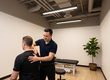
There is a significant difference between a relaxation massage at a spa and a treatment session with a Registered Massage Therapist. While both can feel good, an RMT provides clinical, therapeutic treatment that addresses specific health conditions. Here are five signs that what you need is a registered massage therapist, not a spa visit.
Sign 1: Your Pain Keeps Coming Back
If you have a persistent or recurring pain — a stiff neck that returns every week, a shoulder that aches every time you exercise, lower back pain that flares up after sitting at your desk — this is your body telling you there is an underlying issue that needs clinical attention. A spa massage may provide temporary relief, but an RMT will assess the root cause of your pain, develop a treatment plan to address it, and provide exercises and strategies to help prevent recurrence.
At Artemis Wellness Clinic, our RMTs conduct a thorough assessment before every treatment to understand why you are in pain, not just where it hurts.
Sign 2: You Have an Injury That Is Not Healing
Whether it is a sports injury, a strain from lifting something heavy, or pain from a car accident, injuries need targeted treatment to heal properly. An RMT is trained to assess the stage of tissue healing and apply appropriate techniques — gentle lymphatic drainage in the acute phase, progressive deep tissue work as healing advances, and functional exercises to help restore strength and mobility.
Untreated injuries can lead to scar tissue formation, compensatory movement patterns, and chronic pain. If you have been injured, see an RMT sooner rather than later.
Read our guide on ICBC coverage for car accident injuries: How to Use Your ICBC Claim for Treatment
Sign 3: You Get Headaches More Than Once a Week
Frequent headaches, especially tension headaches that feel like a band around your head, are often caused by muscle tension in the neck, shoulders, and jaw. This is incredibly common in people who work at computers, clench their jaw when stressed, or carry tension in their upper body.
An RMT can assess and treat the trigger points and muscle tension patterns that may contribute to your headaches. Some patients with long-standing tension headaches find that regular RMT treatment helps; individual results vary.
Learn more about headache treatment at Artemis: Headache and Migraine Treatment in Richmond BC
Sign 4: Your Range of Motion Is Decreasing
If you are noticing that you cannot turn your head as far as you used to, reaching behind your back is getting harder, or bending down is increasingly uncomfortable, you may be developing restrictions in your muscles and fascia that can worsen over time.
An RMT uses specific techniques — myofascial release, stretching, joint mobilization, and progressive tissue work — to help restore range of motion. This matters for conditions like frozen shoulder, where early care may help limit progressive stiffness.
Sign 5: Stress Is Affecting Your Body
Stress does not just live in your mind — it manifests physically as tight shoulders, a clenched jaw, shallow breathing, disrupted sleep, and digestive issues. If stress is causing physical symptoms, you need more than a relaxing hour at a spa. Therapeutic treatment aims to address the physical tension and to help your nervous system shift into a calmer, rest-and-digest (parasympathetic) state.
Some patients find RMT treatment combined with acupuncture helpful for stress-related physical symptoms. At Artemis, we can coordinate both treatments as part of your care plan.
Read about acupuncture for stress and anxiety: Acupuncture for Stress, Anxiety and Insomnia
RMT vs Spa Massage: Key Differences
The key differences are training and regulation (RMTs complete rigorous education and are licensed with the College of Complementary Health Professionals of BC (CCHPBC), spa therapists have varying levels of training), assessment (RMTs conduct clinical assessments before treatment), insurance coverage (RMT is covered by many extended health plans, spa massage typically is not), treatment approach (RMTs develop treatment plans targeted to your specific condition), and scope (RMTs can treat injuries, chronic conditions, and specific pathologies).
Learn more about these differences: RMT vs Massage Therapist: Key Differences Explained
Frequently Asked Questions
Do I need a doctor’s referral to see an RMT?
No. In BC, you can see an RMT directly without a referral. For an ICBC claim, no doctor’s referral or ICBC approval is needed within the first 12 weeks after a crash (bring your claim number and BC PHN). For a WorkSafeBC claim, massage therapy needs a doctor’s referral.
How often should I see an RMT?
For acute conditions, weekly sessions are typical until symptoms improve. For maintenance and prevention, biweekly or monthly sessions work well for most people. Your RMT will recommend a frequency based on your specific needs.
Is RMT covered by my insurance?
Most extended health plans in BC cover RMT. We can bill many insurers directly; you pay only the part your plan does not cover (co-pay, deductible or amounts above your plan maximum).
Book Your RMT Assessment in Richmond
If any of these signs resonate with you, it is time to see a Registered Massage Therapist. Call Artemis Wellness Clinic at 604-242-2233 or book online. We are at 5911 Number 3 Rd #130, Richmond BC, steps from Brighouse SkyTrain.