Kinesiology is the science of human movement, and at Artemis Wellness Clinic in Richmond, our kinesiologists use this science to help you recover from injury, manage chronic conditions, and achieve your health and movement goals through personalized exercise programs.
What Does a Kinesiologist Do?
A kinesiologist is a health professional trained in applying exercise science to prevent and manage injuries, chronic diseases, and disabilities. At Artemis, our kinesiologists design individualized exercise programs based on thorough assessment of your movement patterns, strength, flexibility, and functional capacity, your specific condition, injury, or health goals, evidence-based exercise protocols, and your fitness level and preferences.
Conditions Treated with Kinesiology
Kinesiology and active rehabilitation are commonly used for ICBC injury recovery (graduated return to function after car accidents), WorkSafeBC rehabilitation (return-to-work programs), post-surgical recovery (rebuilding strength and function), chronic pain management (exercise-based approaches to pain reduction), osteoarthritis and joint conditions (strengthening muscles to support joints), sports performance and injury prevention, balance and fall prevention for seniors, and deconditioning from illness or sedentary lifestyle.
Kinesiology vs Physiotherapy
While there is overlap, kinesiology and physiotherapy have different focuses. Physiotherapy emphasizes diagnosis, manual therapy, and initial rehabilitation. Kinesiology emphasizes ongoing exercise programming, functional movement, and bridging the gap between clinical treatment and full return to activity. At Artemis, your physiotherapist may begin your rehabilitation, and your kinesiologist continues it through a progressive exercise program.
ICBC Active Rehabilitation
If you have been injured in a car accident, ICBC covers active rehabilitation provided by a kinesiologist: up to 12 kinesiology treatments are pre-approved within the first 12 weeks after a crash. Sessions are supervised exercise focusing on regaining the functional abilities needed for your daily activities and work.
What a Kinesiology Session Looks Like
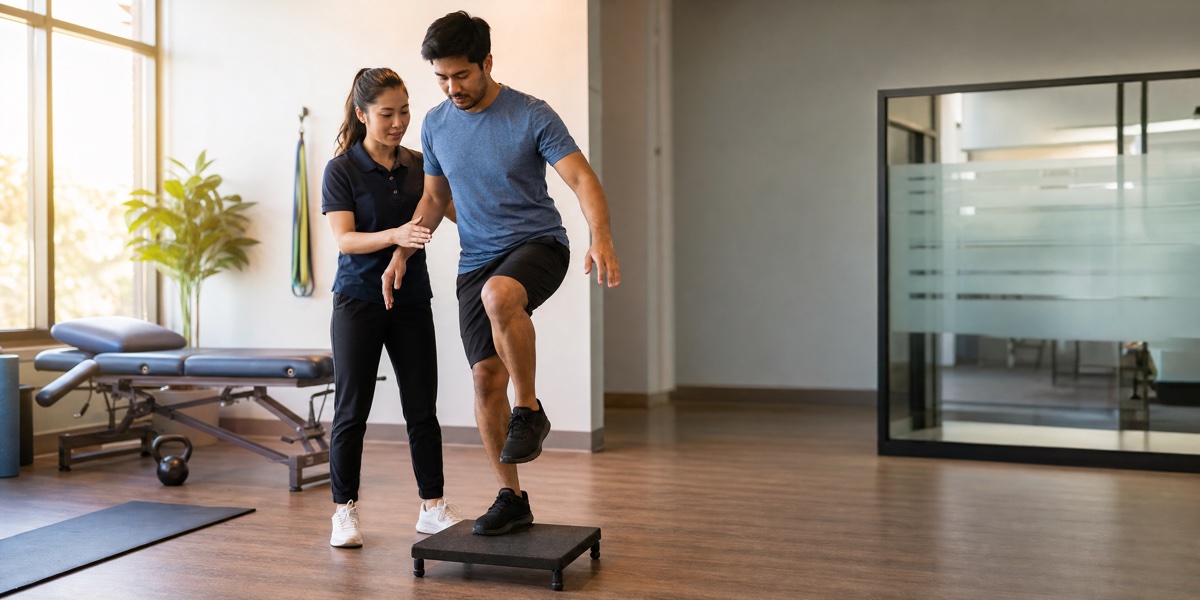
Your first visit begins with a movement and strength assessment: your kinesiologist looks at how you move, where you have lost range or strength, and what your goal is — returning to work, to sport, or simply to comfortable daily activity. From there you work through a personalized, progressive exercise program, coached in person so your form is correct and safe. Sessions are active — you will be moving and exercising rather than lying passively — and your program is adjusted each visit as you get stronger.
A Typical Active-Rehab Progression
- Early phase: gentle, controlled movement to restore range, reduce guarding, and rebuild confidence after an injury or surgery.
- Middle phase: progressive strengthening and stability work that targets the areas which lost capacity.
- Later phase: functional, task-specific training — safe lifting, twisting, return-to-sport drills, or job-specific movements — so the gains carry into real life.
Timelines vary from person to person, and your kinesiologist will set realistic expectations at your assessment. The goal is lasting capacity and self-management, not dependence on ongoing visits.
Who Benefits from Kinesiology
- People recovering from an ICBC motor-vehicle injury or a WorkSafeBC workplace injury who are ready to move from passive treatment to active recovery
- Anyone after physiotherapy or massage who needs to rebuild strength and prevent re-injury
- Post-surgical recovery (with medical clearance), desk workers with posture-related strain, and active adults returning to sport
- People managing persistent pain who benefit from graded, guided movement
How Kinesiology Fits With Your Other Care at Artemis
Because Artemis is a multidisciplinary clinic, your kinesiologist can coordinate directly with your RMT, physiotherapist, chiropractor, or acupuncturist — so passive treatment (to settle pain) and active rehab (to rebuild function) work together rather than in isolation. A note on coverage, to be straightforward: kinesiology and active rehab are most commonly funded through ICBC and WorkSafeBC; extended-health coverage for kinesiology varies by plan and not all plans include it. See our direct billing guide, and our front desk can verify your specific plan in a couple of minutes.
Frequently Asked Questions
Do I need a referral to see a kinesiologist?
No referral is needed. For ICBC claims, no doctor’s referral is needed within the first 12 weeks after a crash either; WorkSafeBC claims, and ICBC treatment after that period, may require a referral or approval.
What should I wear to kinesiology appointments?
Comfortable athletic clothing and supportive shoes. You will be doing exercises during your sessions.
Is kinesiology covered by insurance?
Coverage varies by plan. Some plans cover kinesiology under exercise therapy or rehabilitation services. ICBC and WorkSafeBC typically cover kinesiology as part of active rehabilitation. Contact us to verify your specific coverage.
Book Your Kinesiology Assessment
Call 604-242-2233 or book online: https://artemis.janeapp.com/