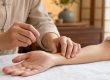
When most patients think of acupuncture, they picture one thing: thin needles. But Traditional Chinese Medicine (TCM) is a complete system of care, and a Registered Acupuncturist (R.Ac) or Registered TCM Practitioner (R.TCM.P) in British Columbia is trained in a much wider toolkit than needles alone. Cupping, gua sha, moxibustion, electroacupuncture, herbal medicine, Tui Na massage, ear acupuncture and dietary counselling are all part of the same medical tradition — and a skilled practitioner blends them based on your individual diagnosis.
At Artemis Wellness Clinic, 5911 No. 3 Road #130, Richmond, BC V6X 0K9, our acupuncture team practises within this full TCM framework. We are about a one-minute walk from Brighouse SkyTrain Station, which makes the clinic easy to reach from anywhere on the Canada Line. To ask which techniques would suit your concern, call 604-242-2233 or book online through Jane App.
This guide explains the nine modalities you may encounter in a Richmond TCM session — what each one does, what it feels like, and when it might not be the right choice.
1. Traditional Body Acupuncture
This is the technique most patients picture first: hair-thin, single-use sterile filiform needles inserted at specific points along the body’s meridians. In BC, every needle is a sealed, factory-sterile, single-use item — your acupuncturist opens the package in front of you and disposes of needles in a sharps container after the session. There is no reuse.
What it’s used for: musculoskeletal pain (neck, low back, shoulders, knees), tension headaches and migraines, menstrual concerns, digestive complaints, sleep issues, stress and anxiety, post-injury recovery, and overall regulation of the body’s systems.
What it feels like: most patients describe a brief pinch on insertion (often less than a mosquito bite), followed by a dull, heavy or warming sensation called de qi. Once the needles are in, you typically rest for 20-30 minutes. Many people fall asleep on the table.
When to skip: if you have a strong needle phobia that makes lying still impossible, if you have a bleeding disorder or are on heavy anticoagulants without medical clearance, or if you have an active infection at the insertion site.
2. Auricular Acupuncture (Ear Points)
The outer ear is treated as a microsystem in TCM — a kind of map of the whole body. Auricular acupuncture uses very small needles, or alternatively vaccaria seeds taped to specific ear points, to influence those mapped regions.
What it’s used for: stress and anxiety, sleep regulation, addiction recovery support (the NADA five-point protocol is widely used in detox and recovery programs worldwide), appetite regulation, jaw tension and headaches.
What it feels like: ear needles are tiny and the sensation is brief. With seed therapy, you leave the clinic with small adhesive patches on your ear and gently press them between sessions to extend the effect — patients describe a low, warming pressure rather than pain.
When to skip: if you have an active ear infection, recent ear piercing that’s still healing, or if you have skin sensitivity to surgical tape (alternatives can be used).
3. Electroacupuncture
Electroacupuncture connects two needles to a small device that delivers a gentle, low-frequency electrical current. The intensity is set to a comfortable threshold — never painful — and the current produces a steady tapping or pulsing sensation that helps drive a stronger response at the point.
What it’s used for: chronic musculoskeletal pain, post-surgical recovery, nerve-related issues, sports injury rehabilitation, and conditions where standard needling alone produces only modest change. It’s often added in the second half of a session for stubborn pain patterns.
What it feels like: a rhythmic pulsing or “tapping from inside.” The dial starts at zero and your acupuncturist increases it slowly with you in control of the comfort level.
When to skip: patients with a pacemaker, implanted defibrillator or other implanted electrical device should not have electroacupuncture, and it’s avoided over the abdomen during pregnancy unless specifically indicated by an experienced practitioner.
4. Cupping (Fire and Silicone)
Cupping uses round cups — traditionally glass with a brief flame to create suction (fire cupping), or modern silicone or pump-based cups — placed on the skin to draw tissue gently upward. This negative-pressure decompression is the opposite of massage, which compresses downward.
What it’s used for: muscular tension, especially in the upper back, shoulders and low back; respiratory complaints like a tight chest from a lingering cold; conditions described in TCM as “cold” or stagnation patterns; and recovery after heavy training.
What it feels like: a strong but tolerable pulling sensation. Cups may stay on for 5-15 minutes (static), or be slid along oiled skin (sliding cupping) for a deeper massage-like effect.
About the marks: cupping commonly leaves circular discolourations — pink, red, or dark purple — that look bruise-like but are not actually bruises. They are not painful, they don’t indicate injury, and they typically fade in 5 to 10 days. Your practitioner will discuss with you whether marks are a concern given upcoming events.
When to skip: over open wounds, sunburn, recent tattoos, varicose veins, or in patients on blood thinners without medical clearance.
5. Gua Sha
Gua sha (literally “scrape sand”) uses a smooth-edged tool — traditionally jade, water buffalo horn, or a clean ceramic spoon — to apply repeated, oiled strokes across the skin in one direction. This releases surface fascia, increases local circulation, and produces a transient red speckling called sha.
What it’s used for: neck and shoulder tension that doesn’t release with massage alone, the early stages of a cold (especially that “tight neck and chills” feeling), stubborn fascial restriction, and surface-level muscle pain.
What it feels like: firm, scraping pressure. It’s not subtle, but it should not be unbearable — a good practitioner adjusts pressure to your tolerance. The redness usually fades within 2-4 days.
When to skip: active rashes, sunburn, or skin conditions on the area; broken skin; bleeding disorders; immediately before an event where the temporary redness would be a concern.
6. Moxibustion (Moxa)
Moxibustion involves burning Artemisia (mugwort) — either as a stick held above acupoints, as small cones placed on a protective layer of ginger or salt, or attached to the top of an inserted needle — to deliver deep, penetrating warmth.
What it’s used for: “cold” and deficiency patterns in TCM, including poor circulation, cold hands and feet, certain types of menstrual pain, low energy, and digestive complaints worsened by cold foods. Moxa is also classically used in late pregnancy for breech presentation under qualified care.
What it feels like: a deep, comforting warmth at the point — never a burning sensation. The acupuncturist monitors the heat constantly and removes the moxa long before discomfort.
About the smell: moxa produces an herbal smoke that some people find pleasant and others find strong. At our Richmond clinic, treatment rooms are well ventilated and we can use smokeless moxa or moxa-on-needle techniques to reduce smoke if you’re sensitive. Always tell your acupuncturist if you have asthma or smoke sensitivity.
When to skip: over numb skin, near the eyes, on areas of skin damage, in patients with severe respiratory sensitivity, or in conditions described in TCM as “excess heat” patterns.
7. TCM Herbal Medicine (not offered at Artemis)
Availability note: Chinese herbal medicine is not offered at Artemis Wellness Clinic. The section below is here because patients ask about it — we provide acupuncture and its related techniques. See what the BC registration titles allow →
Internal Chinese herbal medicine uses formulas — combinations of multiple plant, mineral and (less commonly) animal-derived ingredients — chosen specifically for your TCM diagnosis. Herbs may be prescribed as raw decoctions (you simmer them at home), as granulated extracts (mixed with hot water like instant tea), or as ready-made pills.
What it’s used for: complementing acupuncture in chronic conditions, women’s health, digestive health, sleep disorders, post-illness recovery, and constitutional rebalancing over weeks to months.
Regulation matters: in BC, herbal medicine should only be dispensed by a Registered TCM Herbalist or Registered TCM Practitioner. These titles are protected. A formula is chosen for your pattern — a friend’s “good for digestion” herbs may be wrong, or even contraindicated, for you. Always tell your herbalist about every prescription medication, supplement, allergy and medical condition before starting a formula.
When to skip: without a complete medication review, during the first trimester of pregnancy unless specifically prescribed by a qualified herbalist for that purpose, or if you are unable to tell your herbalist about all your other medications.
8. Tui Na (Chinese Medical Massage)
Tui Na (literally “push-grasp”) is the manual therapy branch of TCM. It uses kneading, rolling, pressing, stretching and joint-mobilization techniques along meridians and at acupoints, with goals similar to acupuncture but delivered through the hands instead of needles.
What it’s used for: musculoskeletal complaints, headaches, digestive issues, and as a needle-free alternative for patients with strong needle aversion or for paediatric care. It’s often blended into an acupuncture session — for example, 10 minutes of Tui Na on the shoulders before needling.
What it feels like: firm, focused, sometimes deep pressure. Different from a Swedish-style relaxation massage — Tui Na is targeted therapy. Some techniques are brisk and rhythmic; others are sustained, deep holds.
When to skip: acute soft-tissue injury within 24-48 hours, fractures, severe osteoporosis on the treated area, active infection or skin condition, and certain stages of pregnancy without specific obstetric clearance.
9. Dietary and Lifestyle Counselling
TCM food therapy categorizes foods by energetic properties — warming, cooling, neutral, drying, moistening — and recommends eating patterns aligned with your constitution, your current presentation, and the season. Lifestyle counselling adds sleep hygiene, exercise type, stress regulation, and timing of activities.
What it’s used for: sustainable change for chronic conditions like digestive complaints, low energy, cold intolerance, period regulation, and stress-related insomnia. Food and lifestyle work supports — rather than replaces — the in-clinic techniques above.
What it feels like: a conversation. Your acupuncturist may suggest, for example, swapping ice water for room-temperature water, adding ginger and warming spices in winter, eating your largest meal at lunch rather than dinner, or going to bed before 11 PM. Recommendations are practical, gradual, and tailored.
When to skip: if you have a complex medical diet (renal, diabetic, allergy-related), TCM dietary advice should be coordinated with your physician or dietitian — not used as a replacement.
Comparison Table: 9 Techniques at a Glance
| Modality | What it targets | What it feels like | When to choose |
|---|---|---|---|
| Body acupuncture | Pain, internal regulation, stress | Brief pinch, then dull warmth | Most TCM concerns |
| Auricular | Stress, sleep, addiction support, appetite | Tiny needles or seed pressure | When you want take-home effect |
| Electroacupuncture | Chronic pain, stubborn cases | Comfortable pulsing | Pain that didn’t respond to needles alone |
| Cupping | Muscle tension, “cold” patterns | Strong pulling sensation | Tight back/shoulders, post-training |
| Gua sha | Surface fascia, early colds | Firm scraping | Tight neck, lingering tension |
| Moxibustion | “Cold” patterns, low energy | Deep, comforting warmth | Cold hands/feet, certain menstrual pain |
| Herbal medicine | Chronic, constitutional concerns | Tea or pill at home | Long-term rebalancing |
| Tui Na | Musculoskeletal, needle-averse | Firm, targeted pressure | When you want a needle-free session |
| Diet/lifestyle | Sustainable habit change | A conversation | Chronic patterns needing daily support |
How a Registered Acupuncturist Combines Modalities
A typical Richmond TCM session rarely uses just one technique. After taking your full history — including pulse and tongue assessment — your acupuncturist forms a TCM diagnosis and selects two to three modalities that match.
A few real-world examples:
- Tight upper back from desk work: body acupuncture + Tui Na on the shoulders + cupping along the upper back.
- Lingering cold with neck stiffness: gua sha across the upper back + body acupuncture + warming dietary advice.
- Cold hands and irregular cycles: body acupuncture + moxibustion on the lower abdomen + a herbal formula.
- Stress, jaw tension, poor sleep: body acupuncture + auricular seeds + sleep-hygiene counselling.
Sessions are personalized, not template-driven. If you’d like to learn more about our lead acupuncturist’s training and approach, see our Mandy Tam practitioner spotlight.
Regulation: Why “Registered” Matters in BC
In British Columbia, acupuncture and Traditional Chinese Medicine are regulated health professions under the College of Complementary Health Professionals of BC (formerly the CTCMA). Three protected titles you may see:
- R.Ac — Registered Acupuncturist
- R.TCM.H — Registered TCM Herbalist
- R.TCM.P — Registered TCM Practitioner (qualified in both acupuncture and herbal medicine)
- Dr.TCM — Doctor of TCM (the highest registered designation)
Registration means the practitioner has completed accredited training, passed national board exams, follows an enforceable code of ethics, carries professional liability insurance, and uses sterile single-use needles. Most extended health benefits in BC require a registered practitioner for reimbursement. To compare acupuncture with another needle-based technique often confused with it, see our explainer on acupuncture vs dry needling.
For multidisciplinary care, our Acupuncture & TCM service page outlines what to expect, and patients with overlapping musculoskeletal needs often combine TCM with registered massage therapy.
7 Common Questions
Do all R.Acs perform every technique? No. Every R.Ac is trained in foundational techniques, but herbal prescribing requires a separate registration (R.TCM.H or R.TCM.P), and individual practitioners may emphasize certain modalities over others. Ask in advance if a specific technique matters to you.
Will cupping leave bruises? The circular marks are technically not bruises — there is no impact injury. They are localized capillary pooling from the suction, and they typically fade within 5 to 10 days. Lighter, briefer cupping leaves lighter marks. Tell your practitioner if upcoming events make visible marks a concern.
How are Chinese herbs prescribed? Only after a full TCM diagnosis (history, pulse, tongue) and a medication review. Formulas are tailored to your pattern and adjusted as you progress. Never share or borrow herbal formulas — they are individual prescriptions, not generic supplements.
The moxa smell — is it a problem? Moxa smoke has a distinctive herbal aroma. Our treatment rooms are well ventilated, and we offer smokeless moxa and moxa-on-needle alternatives. Tell us in advance if you have asthma or scent sensitivity.
Can children receive acupuncture? Yes, with appropriate technique. Many practitioners use shorter, gentler needling, shoni-shin (non-insertive paediatric tools), or Tui Na massage for children. Always inform the practitioner of the child’s age and any concerns.
How often do I need to come? Acute issues often respond in 2-4 weekly sessions; chronic patterns typically benefit from weekly visits for 4-8 weeks, then taper. Your acupuncturist will outline a plan and review progress at each session.
What should I wear? Loose-fitting clothing that can roll up to the elbows and knees is ideal. We provide draping for any needle work that requires deeper access (back, low abdomen). You’ll never be exposed beyond what’s necessary for treatment.
Book Your Acupuncture & TCM Session in Richmond
You can experience any of these modalities — alone or in combination — at Artemis Wellness Clinic, 5911 No. 3 Road #130, Richmond, BC V6X 0K9. We are roughly one minute on foot from Brighouse SkyTrain Station, with paid underground parking on site. To discuss which techniques would suit your concern, call 604-242-2233 or book online at artemis.janeapp.com.
Same-week appointments are usually available with a Registered Acupuncturist, and direct billing is offered for most major BC extended health plans.
Going deeper: our full guide to cupping and gua sha — what the marks really are, what the evidence supports, and the full contraindications list.