
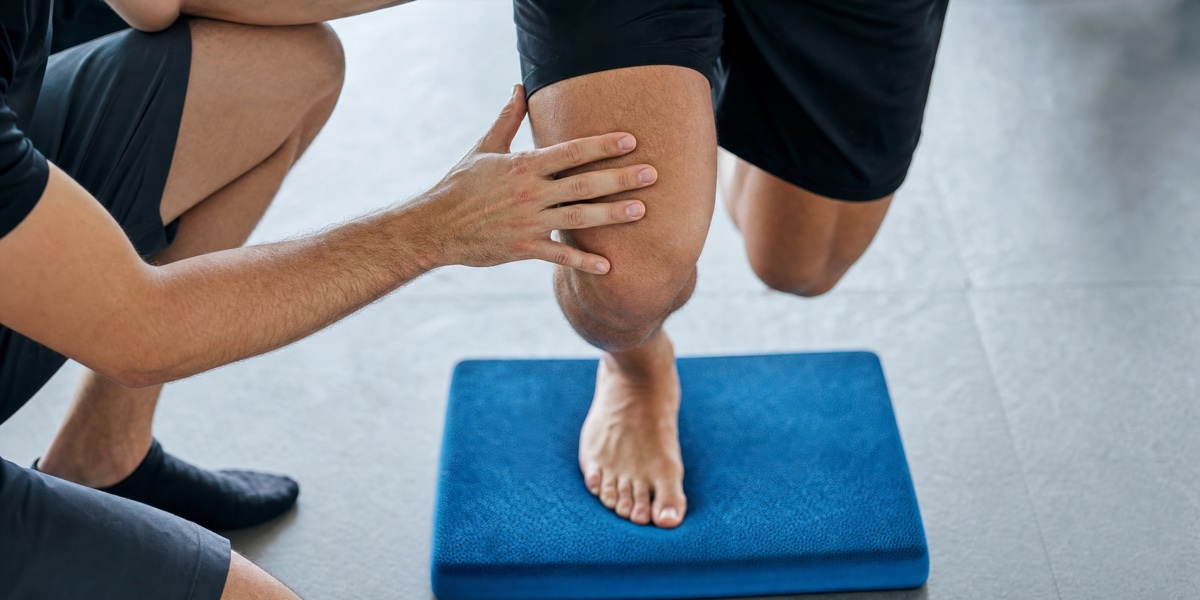
For BC skiers and snowboarders, the season is long, the terrain is demanding, and the body either arrives ready in November or pays the price by January. Most recreational riders treat conditioning as something they will “ease into” once Cypress, Whistler, Manning, or Sun Peaks opens — and most of them limp through February with hip flexor pain, IT band tightness, or a quad strain that never quite settles. Artemis Wellness Clinic at 5911 No. 3 Rd #130, Richmond BC — steps from Brighouse SkyTrain — offers a structured pre-season, mid-season, and post-season plan with five coordinated disciplines under one roof: RMT, acupuncture, physiotherapy, chiropractic, and kinesiology. Book online at artemis.janeapp.com or call 604-242-2233.
Why BC Ski Season Demands Real Pre-Season Conditioning
Skiing and snowboarding in British Columbia are not casual recreational activities the way they are in some flatter regions. Three specific factors make our local season more demanding than most riders appreciate.
The season is unusually long. Cypress and Grouse open in late November or early December. Whistler Blackcomb runs into May for upper mountain access. Manning Park, Sun Peaks, and Big White stretch from December through April. Many BC riders log 25 to 50 days on snow per season — far more than the typical North American “ski week” tourist. That cumulative load needs cumulative preparation.
The mountain variety stresses different systems. A weekend at Cypress is groomer-heavy with short laps. A trip to Whistler adds vertical descent and high-speed cruising on the eccentric quad load. Manning brings cold, dry conditions and longer days. Sun Peaks and Big White trips often layer fatigue from travel + elevation + back-to-back days. Each format taxes a different mix of strength, mobility, and recovery capacity.
The terrain is genuinely demanding. Coastal Whistler offers black runs, mogul fields, off-piste tree skiing in heavy snow, and bumps that punish under-conditioned hips and knees. Powder days demand entirely different muscular endurance than groomer days. Snowboarders absorb hard impact through ankles, knees, and the lower back on every toe-side or heel-side carve at speed.
If you ride more than 10 days a season in BC, treating conditioning as optional is the single biggest predictor of mid-season injury. The good news: 8 to 12 weeks of structured prep work, plus light mid-season maintenance, dramatically changes the trajectory.
Pre-Season Prep (September Through October): The 8 to 12 Week Cycle
The ideal pre-season window opens in early September, two to three months before lifts spin. The goal is not “get in shape” — it is to build sport-specific capacity for the demands of skiing and snowboarding. Three pillars:
Strength work. The legs and core do the work; everything else is along for the ride. Weighted squats, single-leg work, glute bridges, and core stability are non-negotiable. Riders who skip leg strength almost always develop knee or hip flexor issues by week three of the season. A kinesiology consult in September can map out a 10-week strength progression specific to your goals — see our from ICBC discharge to performance guide for the framework we use to bridge people from baseline to performance.
Cardio with the right energy system focus. Ski and snowboard runs are usually 2 to 8 minutes of sustained effort followed by chairlift rest. That is glycolytic and aerobic mixed work — not pure endurance, not pure sprint. Interval training (3 to 5 minutes hard, equal rest, repeated 4 to 6 times) trains exactly this profile better than long slow distance. Two to three cardio sessions per week through October is the typical baseline.
Flexibility and mobility. Tight hip flexors and stiff thoracic spine are the two most common pre-season findings in our office. Both directly limit ski and snowboard performance. A weekly RMT session through September and October — combined with a daily 10-minute mobility routine — measurably improves first-day-on-snow performance. See our registered massage therapy in Richmond guide for what to expect from an RMT session targeting pre-season mobility.
A typical pre-season patient at Artemis books a kinesiology consult in early September, then alternates RMT and physiotherapy roughly every two weeks through October, finishing with a final mobility-focused session in early November before opening day.
Mid-Season Maintenance (December Through February): Stay Ahead of the Damage
Once the season starts, the question is no longer “how do I prepare” but “how do I keep performing without breaking down.” Two practices keep most riders riding at full capacity through January and February.
A 60-minute recovery massage every two weeks. The targets are quads, IT bands, glutes, lower back, and calves — the muscles that take the largest cumulative load from skiing and snowboarding. Moderate to firm pressure with circulation work, not deep trigger point work. The goal is to keep tissue healthy, not to “fix” a problem. Riders who book this every two weeks through December, January, and February report dramatically fewer mid-season niggles than those who only come in when something hurts.
Acupuncture for sleep and nervous system recovery. A long ski day plus a 2-hour drive home plus the next day at work is genuinely taxing on the nervous system. Many of our skiing and snowboarding patients book a 60-minute acupuncture session every three to four weeks through peak season — specifically for sleep quality, mid-season fatigue, and the nervous system regulation that supports muscular recovery between trips. This is preventative and works best when scheduled, not when you already feel exhausted.
What we explicitly recommend against during peak season: heavy deep tissue massage immediately before a planned ski weekend (saves new soreness for your trip), aggressive chiropractic adjustments to areas you have not been treated in, and “trying” any new exercise modality during your prime riding weeks.
Post-Season Recovery (April Through May): The Structured 4 to 6 Week Reset
When the season winds down — for most BC riders, between mid-April and early May depending on which mountains they frequent — the temptation is to immediately pivot to summer activities. Hiking, biking, and trail running all start calling. Skipping a structured post-season recovery is the most common cause of summer overuse injuries we see.
Weeks 1 to 2 (immediate post-season). Reduce intensity sharply. Focus on flushing massage work, gentle mobility, and light non-impact cardio (cycling, swimming, walking). Two RMT sessions during these two weeks targeting quads, hip flexors, glutes, and lower back. Sleep more. The cumulative fatigue from a 4 to 6 month season is real and rarely appreciated until people stop and notice it.
Weeks 3 to 4 (active recovery). Reintroduce strength work at 50 to 60 percent of pre-season volume. Continue mobility work daily. A physiotherapy assessment around week 3 catches the small asymmetries the season produced — usually a tight hip on the dominant turning side, a slightly weakened glute, or an IT band that needs attention before summer biking exposes it.
Weeks 5 to 6 (rebuild). Resume normal training intensity for whatever summer activity you are headed toward. By this point most riders feel measurably stronger, more mobile, and more rested than they did in March, which is exactly the goal.
Coordinating With Kinesiology: The Rebuild and Return-to-Non-Snow-Fitness Phase
The post-season window — roughly April 15 through end of May — is when a single kinesiology consult pays the largest dividend. The kinesiologist looks at:
- Which asymmetries showed up across your peak season (often visible in how you describe end-of-season fatigue)
- What summer activities you want to ramp into and what their conditioning demands are
- How to bridge from “skier in maintenance mode” to “summer athlete in build mode” without overuse injury
- A 6 to 8 week return-to-full-fitness timeline that respects your specific recovery quality
This is the same kinesiology framework we use for ICBC patients post-discharge — see our Kinesiology service page for service detail and our from ICBC discharge to performance guide for the philosophy. The structure is identical: how do you bridge from one phase of physical demand to the next without falling into the pothole between?
We use our in-clinic rehabilitation space for the active strength and mobility components when they are part of your kinesiology session.
Common Mid-Season Issues We See
Three patterns show up almost every January and February in our office. None of them are acute injuries — they are accumulation patterns that respond to two or three sessions of focused work.
IT band tightness on the dominant turning side. Skiers often produce more force through one leg than the other. By mid-season the IT band on the dominant side is noticeably tighter and the lateral knee can develop a dull ache. Responds well to RMT plus some glute strengthening homework.
Hip flexor pain after multi-day trips. Snowboarders particularly, but also skiers, accumulate hip flexor tightness from long days in flexed positions. Two RMT sessions plus targeted mobility work usually resolves this within 10 to 14 days.
Lower back stiffness after powder days. Heavy snow demands more core stabilization than groomers. After a big powder weekend, lower back stiffness on Monday morning is common. A combination of RMT and a brief physiotherapy assessment to rule out anything more serious is the right call.
Important note on acute knee injury. This article is about pre-season prep and general full-season recovery. If you have a specific after-fall knee injury — twisted, popped, swollen, or won’t bear weight — that is a different clinical situation requiring a focused assessment. See our ski and snowboard knee injury treatment guide for the acute injury workflow and book a physiotherapy assessment promptly.
Frequently Asked Questions
When should I start pre-season conditioning for BC ski season?
Eight to twelve weeks before opening day is ideal. For a December 1 start at Cypress or Grouse, that means early to mid September. Earlier is fine, especially if you are coming off a sedentary summer.
Do I really need a massage every two weeks during peak season?
Not strictly required, but it is the single highest-leverage maintenance habit we see. Riders who book biweekly during December through February report measurably fewer mid-season aches and stay on snow more consistently.
Is acupuncture useful for ski season recovery?
Yes — particularly for sleep quality and nervous system recovery between intense ski weekends. A 60-minute session every three to four weeks during peak season is a typical schedule for our skiing patients.
What if I had a fall and my knee feels wrong?
That is acute injury territory, not maintenance. Do not try to “rest it through” an actual injury. Book a physiotherapy assessment promptly — see our ski and snowboard knee injury treatment guide for what to expect.
Can I get treatment between back-to-back ski weekends?
Yes — a moderate flushing massage on Monday or Tuesday after a Sunday ski day, then nothing aggressive in the 48 hours before your next trip, is the right pattern. Avoid deep tissue work less than 72 hours before you ski again.
Do you direct bill for these sessions?
Yes for extended health insurance (Pacific Blue Cross, Sun Life, Manulife, Canada Life, Green Shield) for RMT, physiotherapy, acupuncture, and chiropractic under standard line items. Kinesiology coverage varies by plan — confirm with your provider.
How long after the season should I wait before summer training?
Roughly two weeks of light activity, then progressive build through weeks 3 to 6. A kinesiology consult in week 3 or 4 catches the small asymmetries before they become summer injuries.
Do you have weekend or evening availability for ski season scheduling?
Yes — weekday-evening and Saturday daytime slots across most disciplines. Important since most recreational skiers and snowboarders work full-time and ski on weekends.
Get Ready for the Season at Artemis
Whether you are starting pre-season prep in September or trying to salvage a tough January, the structured plan beats hoping for the best. Artemis Wellness Clinic, 5911 No. 3 Rd #130, Richmond, BC V6X 0K9 — steps from Brighouse SkyTrain. Five regulated disciplines coordinated under one roof: RMT, acupuncture, physiotherapy, chiropractic, kinesiology. Book online at artemis.janeapp.com or call 604-242-2233. Pre-season conditioning, mid-season maintenance, and post-season recovery sessions available all week. Direct billing for ICBC, WorkSafeBC, and most major extended health plans.