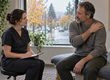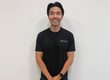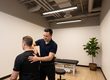
Looking for osteopathy and acupuncture in Richmond with the same practitioner, in one coordinated plan? At Artemis Wellness Clinic on No. 3 Road, I am the one practitioner on our team trained in both: licensed with the College of Complementary Health Professionals of BC (CCHPBC) as R.Ac and R.TCMP, plus a DOMP in osteopathic manual practice. One assessment, one plan, and — where clinically appropriate — hands-on work and needling in the same visit.
What does osteopathy do, and what does acupuncture do?
Osteopathic manual therapy works on mechanics — how joints, fascia and soft tissue move and share load — while acupuncture works mainly on how your nervous system handles pain, muscle tone and stress.
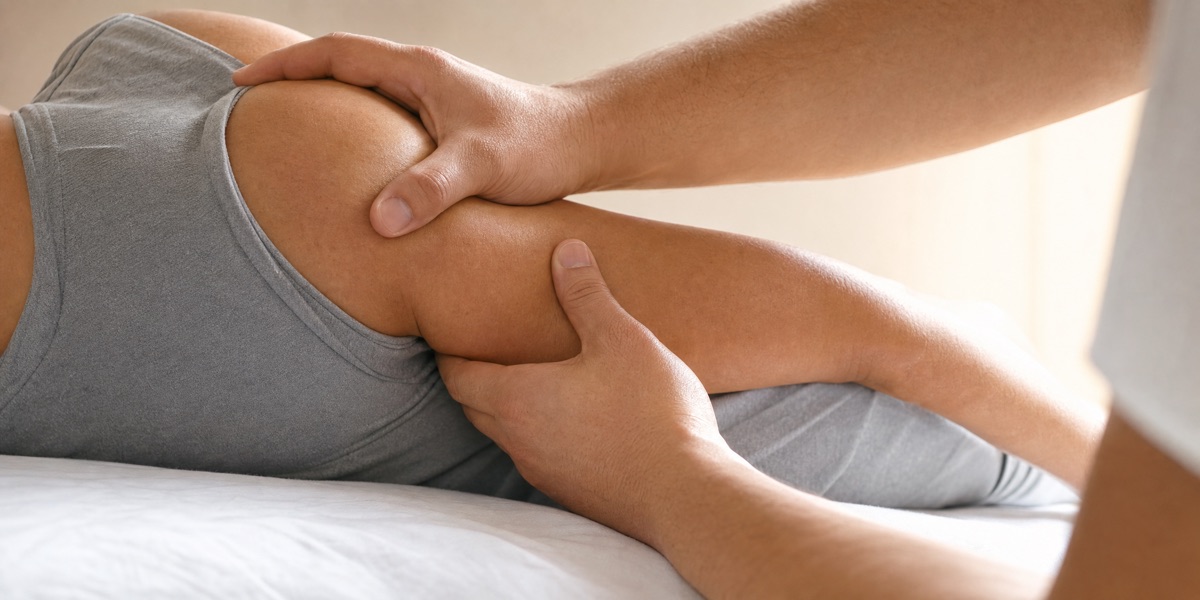
Osteopathic manual practice is hands-on: articulation of stiff joints, myofascial work, muscle energy techniques, and load testing to find the region driving the complaint — often not the sore spot itself, since a stiff mid-back and hips hand their workload to the neck or low back.
Acupuncture uses fine, sterile, single-use needles, chosen from a channel-based TCM assessment and a musculoskeletal one, usually retained 15 to 25 minutes. Some patients report less pain, less guarding and better sleep afterwards; individual results vary.
| Osteopathic manual therapy | Acupuncture and TCM | |
|---|---|---|
| Main target | Joint, fascia, soft-tissue mechanics | Pain modulation, muscle tone, sleep, stress |
| Regulation in BC | Not college-regulated | Regulated by CCHPBC (R.Ac, R.TCMP) |
Why combine them instead of choosing one?
Because persistent pain usually has two moving parts, and each modality mostly addresses one: mechanics, and a sensitivity part where the nervous system guards and tightens with less and less provocation. Treat only the mechanics and the tissue tightens back up between visits; treat only the sensitivity and the mechanical driver keeps re-loading it. Combining is not automatically better, though: if hands-on load flares you, acupuncture alone is the smarter start.
Who tends to benefit from combined treatment?
Patients who gain most have both a mechanical driver and a stubborn “will not settle down” component:
- Persistent low back pain, three months or longer, with guarding and poor sitting tolerance (more).
- Neck pain with tension-type or cervicogenic headaches that build from the base of the skull (more).
- Jaw and TMJ tension — clenching, temple and cheek tightness. See a dentist too if there is a bite cause.
- Desk-posture strain — stiff mid-back, aching shoulder blades, forearm overuse.
- Slow or plateaued recovery — you did the rehab, improved, then stalled.
What does a combined assessment and plan look like?
One intake rather than two, ending in a single plan that says what each tool is doing.
- History and screening — aggravating and easing factors, the 24-hour pattern, sleep, workload, medications, imaging, plus a red-flag screen.
- Physical assessment — movement, load tolerance, neurological screening where indicated, and palpation of the regions sharing load with the sore one.
- TCM assessment — channel palpation and pattern assessment, which informs point selection.
- One written plan — for example, manual therapy for the stiff mid-back and hip; acupuncture for the sensitized neck and disrupted sleep.
- Sequence — in a combined visit I usually do manual work first, then needle to settle tone and pain; if guarding is high, I reverse it. Some plans suit alternating visits instead.
- Homework, then a booked reassessment — so the plan is tested, not assumed.
How many sessions do people need, and how is progress judged?
Most people give a plan a fair test over four to six sessions, with a check-in at session three or four; long-standing patterns take longer. I do not book open-ended schedules.
Progress is judged on what actually bothers you, not on how relaxed you feel on the table: headache days per week, sitting tolerance in minutes, whether you can shoulder-check or sleep through the night — and above all, how long each improvement holds. If nothing has moved by six sessions, the plan is wrong: we change it, or I refer you on.
What does the evidence support, and what does it not?
Both approaches have real but modest support for musculoskeletal pain, and neither is a cure for anything.
- Acupuncture. Pooled analyses suggest it may help chronic musculoskeletal pain (back, neck, shoulder, knee) and may reduce tension-type headache and migraine frequency. The benefit is modest, and the gap between real and sham needling is narrower than the gap between acupuncture and nothing at all.
- Osteopathic manual therapy. For non-specific low back pain, evidence points to small-to-moderate short-term improvement. Elsewhere it is limited or low-quality; for cranial and visceral techniques it is weak.
- The combination. Direct trials of the two together are limited, so the rationale is clinical rather than proven — which is why it is tested against your outcomes.
Osteopathic manual practice is not a college-regulated health profession in British Columbia: the title is not protected the way “registered acupuncturist” is, and standards vary. My acupuncture and TCM registrations are regulated by CCHPBC — an accountable standards and complaints framework — and I hold my manual work to the same consent and records standards. I am not a physician and do not diagnose disease.
Is osteopathy or acupuncture covered by insurance in Richmond?
Acupuncture is covered by many extended health plans when performed by a CCHPBC-registered acupuncturist, while osteopathic manual therapy coverage varies by plan and is not universally covered.
- Acupuncture. Most plans listing paramedical services include acupuncture by an R.Ac. We direct bill Pacific Blue Cross, Sun Life, Manulife, Canada Life, Green Shield and 20+ insurers through TELUS Health, subject to your plan.
- Osteopathic manual therapy. Some plans include an osteopathy line, some do not, and some reimburse only for particular credentials or association memberships — check yours, and see the osteopathy cost and coverage page.
- One visit, one service. A combined appointment is billed as one appointment, not two. If separate visits suit your coverage better we can plan that, but the sequence stays clinically driven and we never bill for care you did not receive.
- ICBC and WorkSafeBC. We direct bill both; what is included depends on your claim, so ask the front desk.
- MSP. With premium assistance, MSP supplementary benefits may partially cover a few acupuncture visits a year; osteopathy is not included.
Coverage always varies and we never guarantee reimbursement — verify with your insurer, or call 604-242-2233.
When should you see a physician first?
See a doctor, or go to emergency, before booking if any of these apply — neither modality is the right first step:
- Loss of bladder or bowel control, or groin or saddle numbness, with back pain. Go now.
- New, spreading or progressive weakness or numbness, or a foot that drags.
- A sudden “worst headache of my life”, or headache with fever, neck stiffness, confusion, vision loss, or after a head injury.
- Face drooping, slurred speech or sudden one-sided weakness — call 911.
- Chest, jaw or arm pain with exertion, sweating or breathlessness, which can be cardiac.
- Unexplained weight loss, fevers or night sweats; a cancer history with new pain; or pain unrelenting at night.
- Recent major trauma, suspected fracture, or osteoporosis with sudden back pain.
Tell me beforehand if you are pregnant, take blood thinners, have a bleeding disorder, or have a pacemaker — none rules out treatment, but each changes what I do.
Frequently asked questions
Is osteopathy covered by my insurance?
Coverage varies by plan and osteopathic manual therapy is not universally covered — some plans include it, some do not, some reimburse only for specific credentials. Acupuncture is different: many plans cover it when performed by a CCHPBC-registered acupuncturist. Verify with your insurer or call 604-242-2233. We never guarantee reimbursement.
Can I get osteopathy and acupuncture in the same visit?
Often yes, when clinically appropriate — usually manual work first, then needling. Some plans suit alternating visits better, and a combined appointment is billed as one service, not two.
Is osteopathic manual practice regulated in BC?
No. It is not a college-regulated health profession in British Columbia, so standards vary and you should ask about training. My R.Ac and R.TCMP registrations are regulated by CCHPBC, with a formal complaints process.
Is a DOMP the same as a medical doctor?
No. A DOMP is a Diploma in Osteopathic Manual Practice. I also hold a DO obtained in Spain — a European osteopathic qualification, not a medical degree. I am not a physician and do not prescribe medication.
Does acupuncture hurt?
Most people find it far less uncomfortable than expected. The needles are much finer than an injection needle; the usual sensation is a brief pinprick, then a dull ache that settles quickly.
How many sessions before I know whether it is working?
Usually three to four, with a fair test at four to six, measured against your own markers — headache days, sitting tolerance, sleep — and how long improvements hold.
Book a combined session in Richmond
To see whether combining osteopathy and acupuncture suits your situation, book at artemis.janeapp.com or call 604-242-2233. Artemis Wellness Clinic is at 5911 No. 3 Road #130, Richmond BC V6X 0K9 — a 3-minute walk from Brighouse SkyTrain (Canada Line).