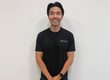
By Ethan Choi, R.Ac, R.TCMP, DOMP, DO(Spain) · Osteopathic Manual Practitioner & Registered Acupuncturist, Artemis Wellness Clinic Richmond BC
If you are looking for osteopathy in Richmond BC, you may have heard the word without being sure what it actually involves.
I am writing this guide to explain, clearly and honestly, what osteopathy actually is, how it works, who it helps, and how it fits alongside the treatments you may already know — registered massage therapy, physiotherapy, chiropractic care, and acupuncture. Artemis Wellness Clinic at 5911 No. 3 Rd #130, Richmond BC — three minutes from Brighouse SkyTrain — now offers osteopathic manual therapy. You can book online at artemis.janeapp.com or call 604-242-2233.
What Is Osteopathy?
Osteopathy is a hands-on therapy that aims to help the body move, heal, and function better as a whole system. Think of it as bridging the gap between Registered Massage Therapy, Physiotherapy, Chiropractic care, and even Acupuncture — but with a focus on how the muscles, joints, nerves, circulation, and organs all work together.
Modern life leaves many people dealing with chronic neck pain, back pain, headaches, jaw tension, poor posture, stress, fatigue, digestive issues, and injuries from sitting at desks or constantly being on phones. Osteopathic treatment uses gentle manual techniques to improve mobility, reduce tension, support the nervous system, and help the body restore balance naturally.
Rather than focusing only on symptoms, osteopathy looks for the root cause of pain and dysfunction. Some patients find it helps them move more easily and feel better; individual results vary.
The Core Principle: The Body Works as One Connected System
The single idea that defines osteopathy is this: the body is one interconnected unit, not a collection of separate parts.
When you have a persistent right-shoulder ache, the problem is often not only in the shoulder. It may be driven by how your ribcage moves when you breathe, by an old ankle sprain that changed how you stand, by tension in the connective tissue that runs from your hip to your neck, or by a nervous system stuck in a low-grade stress state. An osteopathic assessment looks at the whole chain — not just the spot that hurts.
This is why osteopathy treatment can feel different from a treatment that works only on the painful area. The practitioner is reading how the whole structure moves together, and treating the parts of that system that have lost their normal mobility — even when those parts are some distance from your symptom.
What Osteopathy Is — and What It Is NOT
Because osteopathy is uncommon in Western Canada, there is some honest clarification worth making.
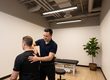
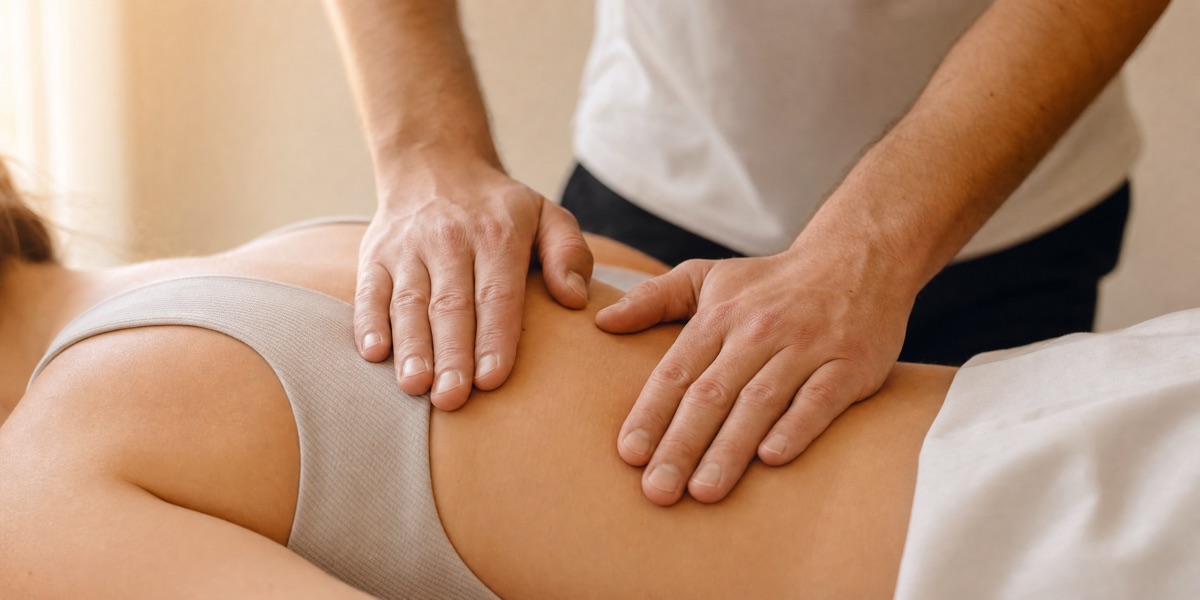
Osteopathy is a hands-on manual therapy. Osteopathic manual practitioners use their hands to assess and treat restrictions in muscles, joints, fascia (connective tissue), and the structures that influence circulation and nerve function. The techniques are generally gentle.
Training in osteopathy varies. Osteopathic manual practitioners are trained and certified through osteopathic training institutions, which is why choosing a properly trained, experienced practitioner matters. (More on what qualifications to look for in our companion guide, Osteopathy in Richmond BC: Finding a Qualified Practitioner.)
Western osteopathy is not the same as traditional Chinese bone-setting. If you grew up with Chinese medicine, you may know 中医正骨 (TCM bone-setting). That is a separate, traditional discipline. Western osteopathy — the kind described here — developed in the United States and Europe and has its own distinct philosophy and techniques. They are different things, even though both use the hands.
Osteopathy is not a replacement for medical care. For fractures, infections, neurological emergencies, or any acute medical event, you need a physician or hospital. Osteopathy is a complementary manual therapy that works best alongside, not instead of, appropriate medical care.
Being clear about all of this is part of being a practitioner worth trusting.
Why Osteopathy Is Less Common in BC
Osteopathy is well established in Europe and the United Kingdom — in the UK it is a regulated profession, and many families with British or Commonwealth backgrounds have grown up with it as a normal part of healthcare. It is also strong across much of Europe; my own osteopathic training included a DO qualification earned in Spain.
In Western Canada, however, osteopathy arrived later and grew slowly. Training to become an osteopathic manual practitioner takes years of dedicated study on top of, in many cases, an existing healthcare credential. As a result, there are fewer trained osteopathic manual practitioners than, for example, massage therapists or physiotherapists.
At Artemis, osteopathic care is part of a multidisciplinary clinic, three minutes from Brighouse SkyTrain.
Conditions People Commonly Seek Osteopathy For
People most often seek osteopathy for the kinds of persistent, modern-lifestyle problems that have not fully resolved with other approaches:
- Chronic neck and back pain, especially from desk work, driving, and phone use
- Headaches and migraines, including tension-type and posture-related headaches
- Jaw tension and TMJ discomfort
- Poor posture and the aches that come with it
- Stress, fatigue, and a nervous system that will not settle
- Sports injuries and the lingering restrictions left behind after them
- Pregnancy-related discomfort (with appropriate, gentle techniques)
- Digestive discomfort linked to tension patterns and restricted mobility
- Repetitive strain from work and training
Our companion article, Osteopathy for Back Pain, Neck Pain, Headaches & TMJ, goes deeper into the most common reasons patients book.
How Osteopathy Fits With RMT, Physiotherapy, Chiropractic & Acupuncture
Patients often ask whether osteopathy replaces the treatments they already use. Usually it does not — it complements them.
- Registered Massage Therapy focuses on releasing soft-tissue tension and supporting recovery.
- Physiotherapy focuses on structured rehabilitation, graded loading, and return-to-function exercise.
- Chiropractic focuses on joint function, particularly of the spine.
- Acupuncture and TCM work with pain modulation, the nervous system, and whole-pattern regulation.
Osteopathy sits among these as a whole-system manual approach — and at a multidisciplinary clinic like Artemis, your osteopathic manual practitioner can coordinate directly with your RMT, physiotherapist, or acupuncturist so your care is genuinely joined up rather than fragmented across separate clinics. For a full comparison, see Osteopathy vs RMT vs Physiotherapy vs Chiropractic.
Is Osteopathy Right for You?
Osteopathy may be a good fit if:
- You have a persistent ache or restriction that has not fully resolved with other treatment
- You suspect your problem is connected to posture, stress, or the way your whole body moves
- You prefer gentle, hands-on techniques
- You want a practitioner who looks for the root cause, not just the painful spot
It is not the right tool for acute medical emergencies, and it is not a cure-all. But for the chronic, whole-body, modern-lifestyle patterns that so many people carry, it can be a valuable option.
Frequently Asked Questions
What is osteopathy in simple terms? Osteopathy is a hands-on manual therapy that treats the body as one connected system — muscles, joints, nerves, circulation, and organs working together. It uses gentle techniques that aim to improve mobility, reduce tension, and help the body restore its own balance, focusing on the root cause rather than only the symptom.
Is osteopathy the same as massage? No. Massage therapy focuses primarily on soft-tissue release. Osteopathy uses some soft-tissue techniques but also assesses joints, fascia, the nervous system, and whole-body movement patterns to find why a problem keeps coming back. They complement each other well.
Is osteopathy the same as Chinese bone-setting (正骨)? No. Traditional Chinese bone-setting (中医正骨) is a separate TCM discipline. Western osteopathy developed in the US and Europe with its own philosophy and techniques. They are different things.
What credentials does Ethan Choi hold? At Artemis, osteopathy is provided by Ethan Choi. He is licensed with the College of Complementary Health Professionals of BC (CCHPBC) as a Registered Acupuncturist (R.Ac) and Registered TCM Practitioner (R.TCMP), and his osteopathic training includes a DOMP and a DO earned in Spain.
Does osteopathy hurt? Osteopathic techniques are generally gentle. Most patients find sessions relaxing. You should always tell your practitioner if anything feels uncomfortable so the approach can be adjusted.
How many osteopathy sessions will I need? It depends on your condition. Some recent issues respond in a few sessions; long-standing patterns take longer. Your practitioner will discuss a realistic plan after your first assessment.
Do I need a doctor’s referral for osteopathy? No referral is needed to book. Some extended-health insurance plans may require a referral for reimbursement — check your specific plan.
Book an Osteopathy Consultation in Richmond
Osteopathy is now available at Artemis Wellness Clinic, 5911 No. 3 Rd #130, Richmond, BC V6X 0K9 — three minutes from Brighouse SkyTrain. Book online at artemis.janeapp.com or call 604-242-2233.
To learn what your first visit involves, read What Happens During an Osteopathy Treatment Session, and to meet your practitioner, see Ethan Choi — Osteopathic Manual Practitioner & Registered Acupuncturist.
About the Author
Ethan Choi is a Registered Acupuncturist and TCM Practitioner and an Osteopathic Manual Practitioner, with a focus on acupuncture, osteopathic manual therapy, and sports rehabilitation. He combines clinical practice, research, and education in patient-centered care. Ethan is licensed with CCHPBC as R.Ac and R.TCMP, and holds osteopathic qualifications including DOMP and a DO earned in Spain. He practises in English and Korean at Artemis Wellness Clinic in Richmond BC.
This article is educational and does not constitute medical advice. Osteopathy is a complementary manual therapy; for acute or serious medical conditions, consult a physician.
Related: Ethan Choi (R.Ac, R.TCMP, DOMP) provides both acupuncture/TCM and osteopathic manual therapy — read how osteopathy and acupuncture can be combined in one plan, and what the BC TCM registration titles mean.