By Ethan Choi, R.Ac, R.TCMP, DOMP, DO(Spain) · Osteopathic Manual Practitioner & Registered Acupuncturist, Artemis Wellness Clinic Richmond BC
Because osteopathy is still uncommon in Richmond and across Metro Vancouver, most patients who book with me are experiencing osteopathic treatment for the first time. They are not quite sure what to expect — and that uncertainty is completely reasonable when a type of care is new to your area.
This guide walks you through exactly what happens during an osteopathy treatment session at Artemis Wellness Clinic in Richmond BC, from the moment you arrive to what you might feel afterwards. If you would like the broader picture first, start with What Is Osteopathy? A Complete Guide. To book, visit artemis.janeapp.com or call 604-242-2233.
The Short Version
An osteopathy treatment session is a gentle, hands-on assessment and treatment designed to help your body move and function better as a whole. Your practitioner first talks with you about your symptoms, lifestyle, posture, stress levels, injuries, digestion, sleep, and daily habits — to understand the root cause of your discomfort, not just where the pain shows up.
Treatment may include soft-tissue release similar to registered massage therapy, joint mobilization like physiotherapy, gentle adjustments similar to chiropractic care, and calming techniques that help regulate the nervous system, much as acupuncture aims to do.
Sessions are typically relaxing and focused on improving mobility, circulation, posture, and body balance.
Before Your First Visit
Booking is straightforward — no physician referral is required. When you book your first osteopathy appointment, plan for 40 minutes. That gives enough time for a proper conversation, a full assessment, and hands-on treatment in the same visit.
A few practical things:
- Wear comfortable, flexible clothing. Athletic wear or loose clothes you can move in are ideal. Osteopathic assessment involves watching how you move, so clothing that lets you do that is helpful.
- Bring a short history. If you have had relevant imaging (X-ray, MRI), recent medical reports, or a list of medications, bring them. They are useful but not required.
- Come ready to talk about more than the pain. Sleep, stress, digestion, old injuries, your work setup — these are not small talk. They are genuine clinical information in an osteopathic assessment.
Part 1 — The Conversation and Case History
Your session begins with a conversation. I will ask about your symptoms, but I will also ask about your lifestyle, posture, stress levels, past injuries, digestion, sleep, and daily habits.
This is not filler. Osteopathy treats the body as one connected system, so the goal of this conversation is to understand the root cause of your discomfort — not just the location where the pain currently shows up. An old ankle injury, a high-stress job, poor sleep, or a desk set up badly can all be part of why a shoulder or a lower back will not settle.
The more honestly you describe the quieter background details, the better the treatment plan will be.
Part 2 — The Physical Assessment
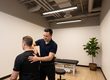
Next comes a hands-on assessment. I will observe how you stand, how you move, and how different regions of your body work together — or fail to. Then, using my hands, I assess where mobility has been lost: in joints, in muscles, in fascia (the connective-tissue web that links everything), and in the structures that influence circulation and nerve function.
This is the part that makes osteopathy distinct. I am not only examining the area that hurts. I am reading the whole movement chain to find why the painful area is under strain. Often the driver of a symptom sits some distance away from the symptom itself.
Part 3 — The Hands-On Treatment
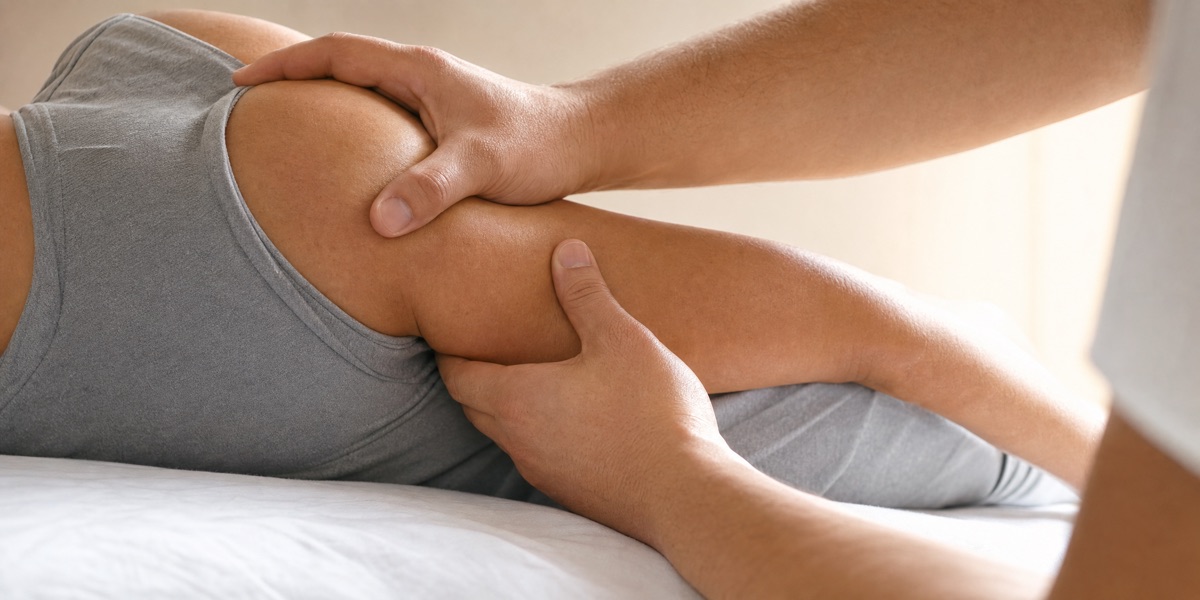
Treatment is gentle and hands-on. Depending on what the assessment reveals, a session may include:
- Soft-tissue release — similar in feel to registered massage therapy, to ease tension in tight muscles
- Joint mobilization — gentle, rhythmic movement of restricted joints, comparable to techniques used in physiotherapy
- Gentle articulation and adjustment — slow techniques to restore movement, in the same broad family as chiropractic care but typically applied gently
- Nervous-system calming techniques — slow, sustained holds and breathing-led work that help shift the body out of a stressed, guarded state, much as acupuncture aims to do
Most patients find the treatment relaxing. You should always tell me if anything feels uncomfortable — the approach is easily adjusted, and your feedback genuinely guides the session.
Part 4 — After the Session
After treatment, I will explain what I found, what I worked on, and why. We will discuss simple things you can do between visits — often small posture or movement adjustments rather than a long exercise list.
It is normal to feel one of a few ways afterward:
- Lighter and looser — some patients notice easier movement straight away
- Mildly tired or “processed” — gentle work can still prompt a recovery response; this usually passes within a day
- A little sore, similar to the day after light exercise, occasionally for 24–48 hours
Drinking water and gentle movement after a session both help. If anything concerns you, you are always welcome to call the clinic.
How Many Sessions Will You Need?
This depends entirely on your situation. A recent, simple restriction may resolve in a small number of sessions. Long-standing patterns — years of desk posture, an old injury that reshaped how you move — take longer and may benefit from periodic maintenance. Individual results vary.
I will give you an honest, realistic estimate after your first assessment, not a fixed package sold in advance. If osteopathy is not the right tool for your problem, I will tell you that too, and help point you toward what is — one advantage of practising inside a multidisciplinary clinic.
Why People Choose Osteopathy
People most often seek osteopathy for back pain, neck tension, headaches, TMJ and jaw tension, stress, sports injuries, pregnancy-related discomfort, digestive issues, and the chronic pain caused by modern lifestyles — desk work, poor posture, and repetitive strain. For a deeper look at those specific conditions, see Osteopathy for Back Pain, Neck Pain, Headaches & TMJ.
If you are weighing osteopathy against other hands-on options, Osteopathy vs RMT vs Physiotherapy vs Chiropractic compares them honestly.
Frequently Asked Questions
How long is an osteopathy session?
Plan for 40 minutes for a first visit, which includes the case history, assessment, and treatment. Follow-up sessions are 30 minutes.
Will I need to undress for osteopathy treatment?
Usually not. Comfortable, flexible clothing is generally fine. Your practitioner will let you know if anything specific would help, and your comfort and privacy are always respected.
Does osteopathy treatment hurt?
Osteopathic techniques are generally gentle and most patients find sessions relaxing. Tell your practitioner immediately if anything feels uncomfortable so the technique can be adjusted.
How will I feel after an osteopathy session?
Many people feel looser and lighter, though responses vary. Some feel mildly tired or slightly sore for a day or so, similar to after light exercise. This usually settles quickly.
Do I need a referral to book osteopathy?
No referral is needed to book. Some extended-health insurance plans may require a referral for reimbursement — check your specific plan.
What should I bring to my first appointment?
Comfortable clothing, any relevant imaging or medical reports, a list of current medications, and a willingness to discuss sleep, stress, and lifestyle alongside your main symptom.
Can osteopathy be combined with massage, physio, or acupuncture?
Yes. At a multidisciplinary clinic like Artemis, osteopathy is often coordinated with other treatments, and your practitioners can share notes so your care is genuinely joined up.
Book Your First Osteopathy Session in Richmond
Osteopathy is available at Artemis Wellness Clinic, 5911 No. 3 Rd #130, Richmond, BC V6X 0K9, three minutes from Brighouse SkyTrain. Book online at artemis.janeapp.com or call 604-242-2233. Osteopathic treatment is provided by Ethan Choi, Osteopathic Manual Practitioner & Registered Acupuncturist.
About the Author
Ethan Choi is a Registered Acupuncturist and TCM Practitioner and an Osteopathic Manual Practitioner, with a focus on acupuncture, osteopathic manual therapy, and sports rehabilitation. He combines clinical practice, research, and education in patient-centered care. Ethan is licensed with the College of Complementary Health Professionals of BC (CCHPBC) as a Registered Acupuncturist (R.Ac) and Registered TCM Practitioner (R.TCMP), and holds osteopathic qualifications including DOMP and a DO earned in Spain. He practises in English and Korean at Artemis Wellness Clinic in Richmond BC.
This article is educational and does not constitute medical advice. Osteopathy is a complementary manual therapy; for acute or serious medical conditions, consult a physician.