
If you build houses, cut grass, pick berries or deliver parcels around Richmond and Surrey, “stay indoors during the advisory” is advice you cannot take. Another summer of AQHI advisories has made that plain — when the smoke rolls in, you still clock in. This guide covers heat and smoke recovery basics for outdoor workers in Richmond: on-shift habits that line up with official guidance, the red flags that mean stop now, how massage therapy, acupuncture, osteopathy and kinesiology support recovery, and how WorkSafeBC or extended health benefits may help pay.
What actually helps on shift during smoke season and hot stretches?
Check the AQHI before work, drink water on a schedule, use a fit-tested respirator when required or available, take real cool-down breaks, and watch your crew. None of it is new, but on a rushed morning it is easy to skip:
- Check the AQHI daily. Ten seconds on weather.gc.ca tells you whether the Air Quality Health Index says today is a pace-yourself day.
- Use the respirator when called for. A fit-tested respirator such as an N95 is built to filter the fine particles in wildfire smoke; a loose cloth mask is not. Wear one when your employer requires or provides it; if none are on site, ask.
- Drink on a schedule, not on thirst. Thirst lags behind what your body has lost; a cup of water every 15 to 20 minutes is a common rule of thumb — set a phone timer if you have to.
- Add electrolytes when you are sweating hard. Hours of heavy sweating cost salts as well as water; an electrolyte drink on long, hot shifts replaces what plain water cannot.
- Take the shade breaks. Cool-down breaks in shade or air conditioning are part of the job in heat, not slacking off — use them before you feel rough.
- Watch each other. You will notice a coworker slowing down, going quiet or looking off before they admit anything. Say something first.
Which warning signs mean stop work right now?
Cool down, hydrate and tell someone if signs of heat exhaustion appear; call 911 immediately for confusion, hot dry skin or collapse. The difference matters, because heat stroke can be fatal.
- Heat exhaustion — heavy sweating, dizziness, nausea, headache, weakness or clammy skin. Get to shade or a cool space, sip water, rest — and tell your supervisor or a coworker. Do not push through it or drive until you feel normal.
- Heat stroke — confusion or strange behaviour, slurred speech, skin that feels hot and dry (sweating may have stopped), fainting or collapse. Call 911 immediately, then move the person somewhere cooler and cool them with water and wet cloths while you wait — this is an emergency, not a wait-and-see situation.
- Smoke warning signs — trouble breathing, wheezing, chest pain or tightness. Stop working and get medical care; chest pain in smoky heat deserves urgent attention, full stop.
If you live with asthma or COPD, follow your physician’s plan for smoky days and keep your inhaler within reach on site — not in a truck three lots away.
Why does recovery matter for physical jobs in heat and smoke?
Because heat makes the same job cost more: you lose fluid, muscles work harder and bounce back slower, and smoky nights cut into the sleep repair depends on — recovery shrinks exactly when you need it.
To be plain: massage therapy and acupuncture do not protect you from smoke or heat, and they do not treat heat illness or smoke inhalation. Prevention happens on site, and emergencies belong in medical care. What they can do is support recovery between shifts.
Massage therapy for overworked muscles — Dave Tam, RMT (Director)
Dave Tam, RMT (Director) spends his week on forearms, shoulders and low backs that grip tools, haul material and sweat through long shifts. His observation: physically demanding weeks in heat leave muscles tighter and slower to recover, and poor sleep compounds it. Registered massage therapy focuses on easing those overworked areas, and many manual workers find a treatment helps them unwind and sleep that night. Keep the cadence realistic: during the heavy season, some outdoor workers book every 2–4 weeks and adjust from there.
Five minutes of self-acupressure after a shift — Mandy Tam, R.Ac and Ethan Choi, R.Ac, R.TCMP
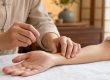
Our registered acupuncturists, Mandy Tam, R.Ac and Ethan Choi, R.Ac, R.TCMP, teach three self-acupressure points that cost nothing and take five minutes at the end of a shift:
- LI4 (Hegu) — in the webbing between thumb and index finger; press firmly for 30 to 60 seconds per hand for general tension. Skip this point during pregnancy.
- BL40 (Weizhong) — the midpoint of the crease behind the knee, for heavy legs and a low back that aches after a day on your feet.
- HT7 (Shenmen) — on the inside wrist crease, in line with the little finger; commonly used to downshift before sleep.
Acupressure is a free habit, not a treatment plan. For muscular pain that persists or sleep that will not settle, acupuncture may help — the evidence is still developing, but some workers notice meaningful improvement in pain and sleep.
A cooldown, stubborn stiffness and getting stronger — Ethan Choi, R.Ac, R.TCMP, DOMP and our kinesiology service
Ethan Choi, R.Ac, R.TCMP, DOMP — who also practises osteopathic manual therapy — suggests a five-minute cooldown: walk the last five minutes of the day at an easy pace, then hold three stretches about 30 seconds per side — hip flexors, hamstrings, chest doorway. For backs and shoulders that stay stiff week after week despite stretching, gentle osteopathic manual therapy looks at how the whole region moves, not just where it hurts. When the job itself keeps wearing you down, kinesiology can build a strength plan around your shifts so the same load takes less out of you.
Will WorkSafeBC or your benefits plan cover treatment?
Often, yes — through an accepted WorkSafeBC claim, or through extended health benefits — though neither is automatic. If your claim for a workplace injury is accepted, WorkSafeBC may fund treatment such as massage therapy, physiotherapy and acupuncture. Bring your claim number to your first visit; our front desk confirms coverage with WorkSafeBC before treatment starts. Outside of claims, many union and employer extended-health plans include massage, acupuncture and physiotherapy benefits, and we direct-bill more than 20 insurers through TELUS Health. Coverage is never guaranteed and plans differ — verify yours, or ask our front desk to check before you book.
Because Richmond and Surrey crews speak many languages, information materials are available in Chinese and Punjabi — just ask. Mandy Tam, R.Ac serves patients in English, Mandarin and Cantonese; Ethan Choi, R.Ac, R.TCMP in English and Korean.
Frequently asked questions
Does WorkSafeBC cover massage therapy?
It can. If your workplace injury claim is accepted, WorkSafeBC may fund massage therapy and other treatment. Bring your claim number, and our front desk will confirm coverage before treatment begins.
Can massage or acupuncture protect me from smoke or heat?
No. They do not protect you from smoke or heat, and they do not treat heat illness or smoke inhalation. They support recovery between shifts; prevention still comes down to AQHI checks, water, shade and respirators.
How often should an outdoor worker book massage in the busy season?
No single right answer: during heavy stretches, some workers book every 2–4 weeks; your RMT will suggest a cadence from there.
A coworker seems confused and has stopped sweating — what do I do?
Call 911 immediately. Confusion and hot, dry skin are signs of heat stroke, which can be fatal. Move them somewhere cooler and cool them with water or wet cloths while you wait.
Is self-acupressure safe for everyone?
Generally, with cautions: skip LI4 in pregnancy, ease off anything that causes sharp pain, and treat it as a recovery habit — never a substitute for medical care.
Can I find appointment times that fit shift work?
Booking online at artemis.janeapp.com shows real-time availability, so you can pick a time around your shifts — and our front desk can help by phone.
Book a recovery visit in Richmond
Artemis Wellness Clinic is at 5911 No. 3 Road #130, Richmond BC V6X 0K9 — a three-minute walk from Brighouse SkyTrain station. Six disciplines work under one roof — registered massage therapy, acupuncture and TCM, osteopathy, kinesiology and more — so care under a WorkSafeBC claim or benefits plan stays in one place.
The advisories lift; your body still has to show up for the next one. If your forearms, shoulders or low back are telling you it has been a long season, book online at artemis.janeapp.com or call 604-242-2233 — we will build a recovery plan that fits your shifts.